The world of web design is evolving incredibly fast: new trends, technologies, and UX patterns are emerging, and search engines are increasingly taking user behavior into account. Because of this, even a good website can appear outdated after 2–3 years, work more slowly, and generate fewer leads.
If you feel that your website is “not selling” as well as it used to, it may be time for a redesign.
In this article, we will break down the main signs that indicate your website needs an update - and why redesign is not about beauty, but about effectiveness.
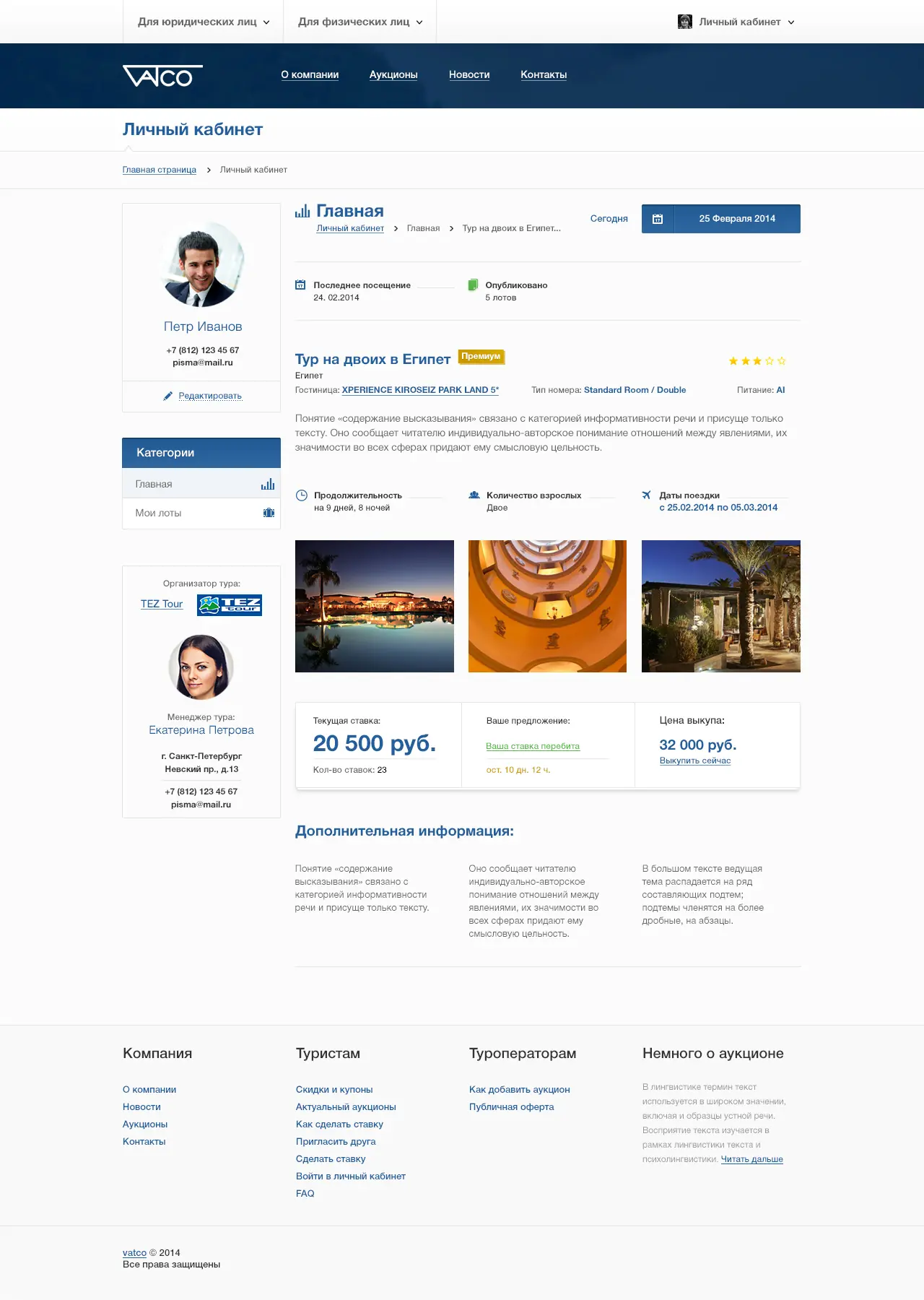
1. Outdated UI: your design looks old and doesn’t match current trends
UI trends change every 1–2 years. Today, users are accustomed to:
-
clean typography,
-
minimalism,
-
smooth animations,
-
3D elements,
-
responsive grids,
-
easy-to-read content.
If your website looks like it's 5–7 years old, users perceive your brand as less modern and less trustworthy.
Signs of an outdated design:
-
text that is too small and hard to read;
-
heavy decorative elements;
-
outdated fonts and colors;
-
absence of animations or excessive animations;
-
overloaded graphics;
-
your website looks worse than competitors'.
⚡ Visual aging happens faster today than before. What looked modern in 2022 may already seem outdated by 2025.
2. Low conversion rate: your website stopped generating leads
If you have SEO traffic and ads are running, but leads are dropping - the issue may be in your website’s UX.
What affects conversion drop:
-
inconvenient forms and complicated user flows;
-
unclear user journey;
-
lack of clear CTAs;
-
poor page structure;
-
lack of trust-building elements (case studies, reviews, numbers, guarantees).
Redesign helps rethink the interaction flow, improve structure, simplify user paths, and increase conversion.
3. Slow website loading: a critical factor for SEO and sales
Loading speed has become one of the most important factors in Google rankings and user behavior.
If your website takes longer than 2–3 seconds to load, people usually leave.
Reasons for slow loading:
-
outdated CMS;
-
heavy images;
-
old frameworks;
-
lack of optimization;
-
bloated code.
A redesign often includes technical improvements that significantly speed up the website.
4. Poor mobile version or no mobile version at all
70–85% of traffic in most niches comes from mobile devices.
If your website looks bad on a phone, behaves inconsistently, or forms don’t fit the screen, conversion drops dramatically.
Signs you need a mobile redesign:
-
users have to zoom text manually;
-
elements overlap;
-
buttons are too small;
-
the website “jumps” while scrolling;
-
the navigation menu is inconvenient.
Today, the mobile version is not just an adaptation, but a full-featured product.
5. Your business has changed, but the website hasn’t
If your company has grown, added new services, changed positioning, or strengthened its brand, your old website no longer reflects reality.
Redesign allows you to:
-
update the structure;
-
improve content;
-
strengthen brand identity;
-
communicate the right message.
6. Competitors have updated their websites, but you haven’t
When other companies in your niche refresh their websites, you automatically look outdated.
A modern website is one of the strongest trust factors.
7. Your website is hard to maintain: outdated technology
If your website is built on an old engine, doesn’t support new plugins, or works poorly with modern technologies - redesign is inevitable.
This usually applies to:
-
WordPress sites with outdated themes,
-
custom-built systems,
-
old JS frameworks,
-
unsupported libraries.
Updating helps make the website flexible, fast, and easy to scale.
Conclusion: redesign is an investment, not cosmetics
The purpose of redesign is not just a “beautiful website,” but:
-
higher conversions;
-
better UX;
-
increased trust;
-
faster loading speed;
-
alignment with modern trends;
-
better mobile experience;
-
stronger SEO performance.
If at least 2–3 points from the checklist apply to your site - it’s time to think about a redesign.
❓ FAQ: Frequently Asked Questions About Website Redesign
1. How often should you redesign a website?
On average every 2–4 years. In fast-growing niches - every 1.5–2 years.
2. How long does a redesign take?
From 2 to 8 weeks, depending on complexity and the number of pages.
3. Do I need to update everything, or can I redesign only certain blocks?
You can do a partial redesign (UI refresh) or a full redesign (structure, UX, design, code).
4. Does redesign affect SEO?
Yes - but with the right approach, the effect will be positive:
faster loading, better mobile usability, higher conversions, and lower bounce rate.
5. Why should a redesign be done by a professional?
Because redesign is about analytics and UX, not just visuals. Mistakes can lower your conversion rate instead of increasing it.